Case fileEF-009Wolfratshausen, 1983
The Friend Held the Key: The Cold War Murder Germany Took 33 Years to Solve
In July 1983, Stjepan Đureković, marketing director of Yugoslavia's oil giant INA, was shot and struck down with a blade inside a Bavarian garage where his banned books were printed. The lock was untouched: the killers had been let in with a copied key.
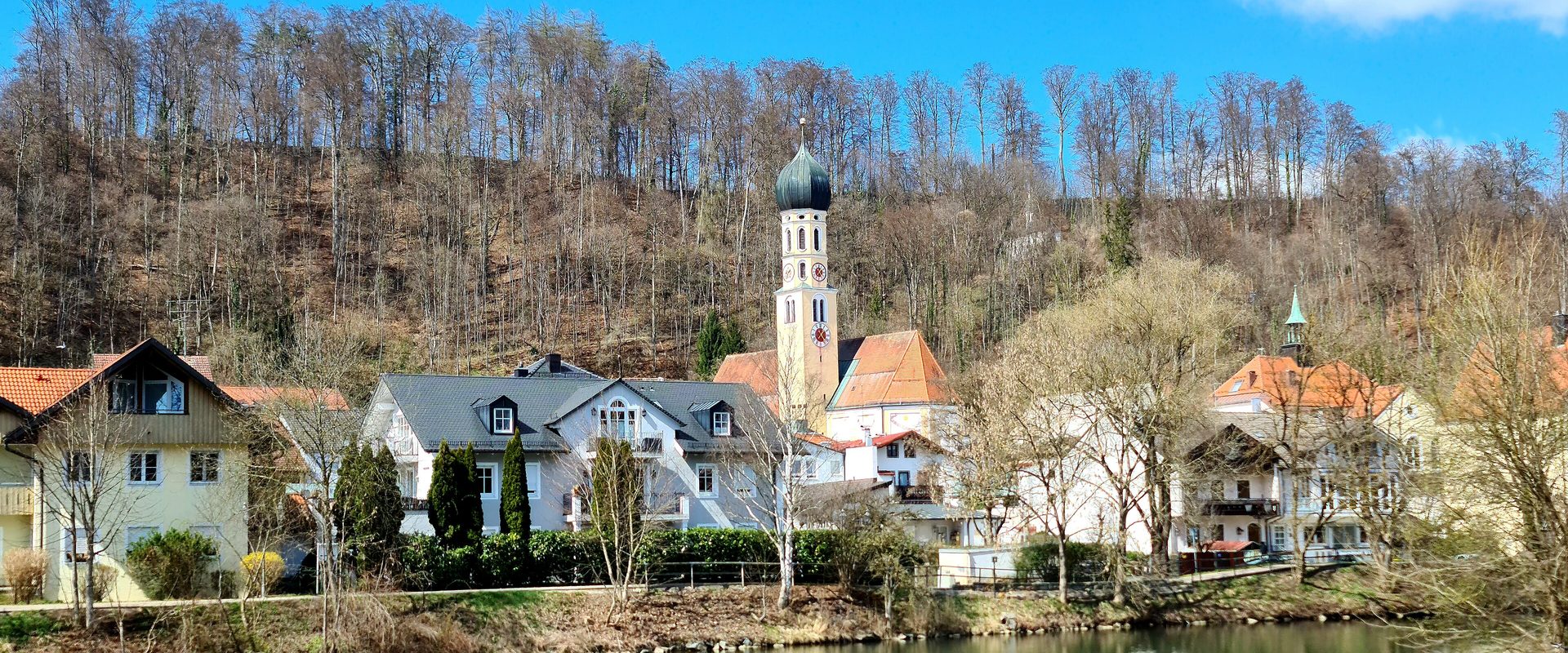
Wolfratshausen. Ricardalovesmonuments, via Wikimedia Commons, CC BY-SA 4.0 (source)
The film
At a glance
- Period
- 1983 to 2025
- Countries
- West Germany (today Germany), Yugoslavia (today Croatia), Luxembourg, Spain, Canada, Croatia, Serbia
- Subject
- Stjepan Đureković, marketing director of INA's trading arm in Zagreb
- Key locations
- Wolfratshausen, Munich, Zagreb, Luxembourg, Mallorca, Calgary, Glina, Bukovac
- Themes
- Stjepan Djurekovic, UDBA, Yugoslavia, Croatia, cold war, Munich
- Status
- The application Josip Perkovich and Zdravko Mustach filed from Glina prison in March 2025, to take over the prosecution of the state's chief surviving witness themselves, is still open. Both men are in Glina. The men who fired the shots and swung the blade have never been identified. Status as the episode left it, 18 July 2026.
- Episode
- EF-009 · 38 min · published 18 July 2026
Case overview
The case went cold for twenty-two years, until German prosecutors proved that the trusted friend who ran the print shop had been a secret-police informant for decades, that he handed a duplicate key to his handler in Luxembourg weeks before the murder, and that the order came from the top of communist Croatia's State Security. Croatia rewrote its extradition law three days before joining the European Union to shield the two spy chiefs; Chancellor Merkel skipped the accession celebration; Brussels threatened a member state one month old. Zagreb backed down, and in 2016 a Munich court sentenced Josip Perković and Zdravko Mustač to life imprisonment, thirty-three years and six days after the garage. The same court heard that the victim had spent eight years selling Yugoslavia's secrets to West German intelligence while he ran INA's sales, and said out loud that the men who fired the shots and swung the blade remain unidentified to this day. Part of what a Berlin newspaper called the longest unsolved murder series in the history of the Federal Republic, the Đureković file is still moving: in March 2025, the two imprisoned spy chiefs applied to prosecute the state's chief surviving witness themselves, from their cells.
The garage at Sauerlacher Strasse number one is still there. An ordinary Bavarian backyard, an ordinary door, an ordinary lock. Somewhere, in the surviving paperwork of a dead state, or in a memory in Sweden, or nowhere at all anymore, is the name of the man who took a copied key from a handler's palm and waited in the dark for the man who trusted the door. Every court is finished except the one that never started: the trial of the hand that held the blade.
Timeline
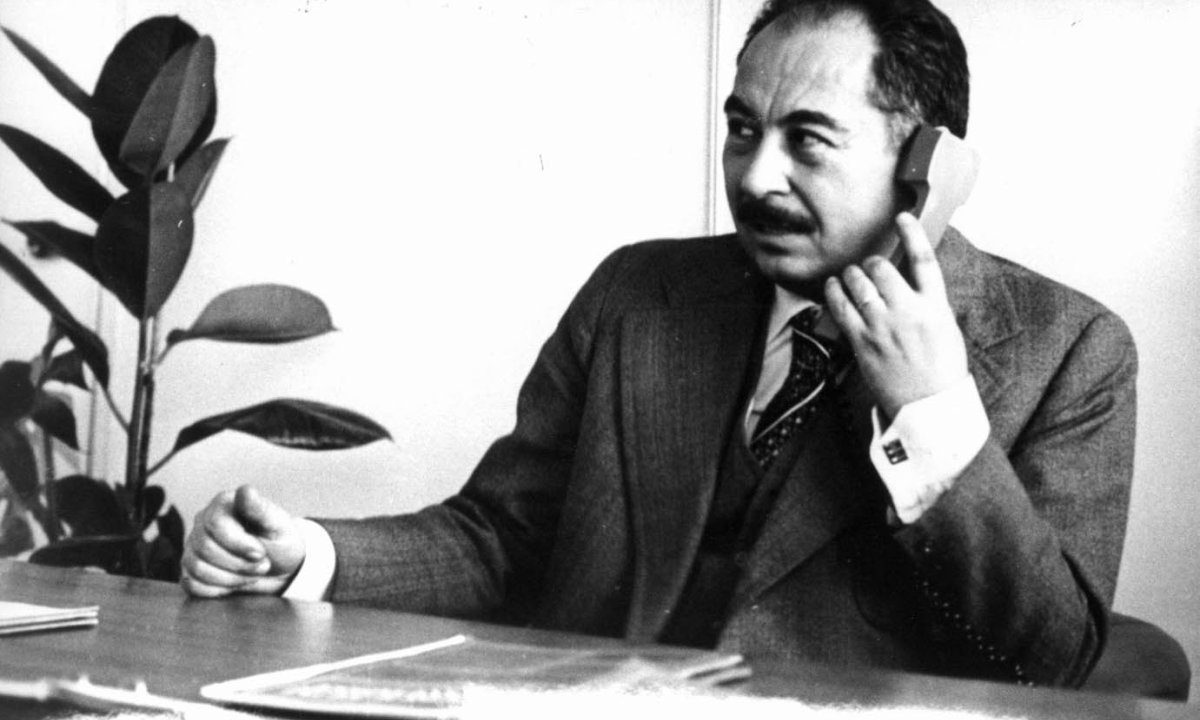
The dead man's name was Stjepan Djurekovich. He was born in 1926 in Bukovac, a village near Petrovaradin, in the flat Danube country where Croatia, Serbia and Hungary blur into one another.
He came of age inside the new socialist Yugoslavia and learned its first lesson early: the system rewarded the men it trusted. He studied economics in Belgrade, ran commerce at a metal factory in Osijek before he was thirty, moved up through the oil refinery at Sisak, and when Yugoslavia consolidated its oil industry into one giant called INA in 1964, he rose with it.
By the nineteen-seventies he was the marketing director of INA's trading arm in Zagreb: the man who moved the country's fuel. It was one of those socialist positions that appeared on no chart of power and sat near the center of it anyway.
He knew, down to the storage tank, the numbers a nervous state keeps to itself. The system trusted him, and it paid: the cottage on the island of Krk, the speedboat, the salary. The journalist Denis Kuljish, who later reconstructed his life, described a man flush with money, drinking hard, in a marriage that had gone quiet.
Related documentsFrom April 1975 until January 1983, Stjepan Djurekovich, the marketing director of Yugoslavia's oil giant, was a paid informant of the BND, West Germany's foreign intelligence service. Recruited while he still sat in his Zagreb office. Paid at least a hundred and fifty thousand marks.
He passed economic intelligence, and he passed military intelligence: the state of the oil reserves, the fuel infrastructure, the numbers a country keeps for war. The exile hero of the Munich scene had been Bonn's man inside INA for eight years.
Related documentsOn the twenty-third of April 1982, Stjepan Djurekovich got into a car in Zagreb and did not come to work again. He was fifty-five. He did not travel alone: with him went his secretary, nineteen years old.
They crossed into Austria, spent two weeks on Tenerife, and by the end of May he was in Munich. His exit broke no law. There were no charges, no warrant, no chase. He simply left, with whatever he had banked, and whatever he carried in his head. His wife Gizela, his colleague at INA for decades, learned what had happened the way the state did: slowly. Five weeks passed before she filed a missing-person report.
In July 1982 the Croatian branch of the service formally approved a campaign to discredit him. That October it opened a special file.
In Zagreb, files were opened on him. His books were classified as hostile works. The machine that had trusted him began, formally and on paper, to work against him.
West Germany granted him political asylum that October. And then the quiet oil executive did something nobody in Zagreb had planned for: he started writing. Eight books in about eighteen months.
A novel called I, Josip Broz Tito. A tract called Communism: The Great Fraud. Red Managers, about the elite he had belonged to. How Yugoslavia Robs Croatia, about where the money went. He named names, villas, habits. And he wrote about the one subject he knew better than any exile alive: the oil.
Related documentsIn December 1982 he gave interviews saying out loud what his spreadsheets had whispered: that Yugoslavia's petroleum reserves were dangerously thin, and where the military kept its fuel. In a state that expected the world to fall on it, that was not commentary. That was inventory.
December 1982: a written service decision, and through that winter, in the judge's later words, the order to prepare the assassination.
Related documentsHis file at the BND was closed in January 1983, six months before the garage. Nothing in the record explains why.
He arrived in Germany with roughly half a million marks spread across accounts in three countries.
Related documentsIn April 1983, at a closed session of the federal body that oversaw state security, it was claimed that Djurekovich had embezzled eight million dollars from INA. The German court, thirty-three years later, examined that claim and called it unfounded: a corruption file, manufactured about a man the service was preparing to kill.
Ten weeks after that meeting, he was dead. April 1983: the eight-million-dollar story is planted at the federal council, by Mustach.
Related documentsIn early June 1983, in Luxembourg, Prates handed his handler a duplicate key to the Wolfratshausen garage. He told Zagreb when Djurekovich would come to print his candidacy statement.
In the summer of 1983, Djurekovich decided to stand for election to the Croatian National Council, the exiles' umbrella body. Then a fake interview surfaced in the emigre press, under his name, announcing he would not run. It was a forgery, planted to cut him out of exile politics, and he treated it as one. He sat down and wrote a three-page answer. Why I am a candidate. On the last Thursday of July, he drove to Wolfratshausen to print it.
Related documentsHe parked at Sauerlacher Strasse number one, walked to the garage he trusted, and unlocked the door. They were waiting for him inside, in the dark of the back section, between the machines. At least eight shots were fired. Five or six struck him: the right hand, both upper arms, the back, the back of the head.
The autopsy found two kinds of bullets from two different guns, a Czech-made pistol and what the examiners took for a small-caliber Beretta. Two shooters, firing from behind. Then a third man stepped in and finished it with the blade. The blows opened his skull. He was dead within minutes, on the floor of the room where his books were made, the candidacy statement still with him. The killers walked out into a Bavarian summer afternoon and vanished. They left a single sneaker print, and nothing else.
Related documentsAt noon the next day, Krunoslav Prates and his brother opened the garage and found him. The Bavarian homicide men worked the scene and hit the wall within hours: the lock. No damage. No forced entry.
A week later, Prates stood among the mourners at the Munich funeral. The men who waited in the dark had entered with a key, and every key to that garage was supposed to be accounted for. Somewhere, a copy existed. The question of who made it, and whose hand carried it, would outlive almost everyone in this story.
Damir Djurekovich, the son who crossed an ocean because he feared the service's reach, was found dead in Calgary on the tenth of September 1987. He was thirty-three. The Canadian authorities ruled it a suicide.
By 1984 he was in Calgary, in western Canada, building a cleaning business and, friends said, planning to finish his father's unfinished books. The exiles who knew him have disputed that ruling for four decades, pointing out that he had just been planning to finish his father's last books. The ruling has never changed.
Related documentsIn 1991 Yugoslavia began to die, loudly, in the wars everyone remembers. The republic that had watched Djurekovich hardest became an independent Croatia, at war from its first breath. The old State Security dissolved; its buildings changed signs, its files changed owners, and many of its men changed employers without changing trades.
Some of its best organizers helped build the new country's intelligence agencies. The past was not examined closely. There was a war on. But German reunification had opened archives that were never meant to open, and in them, and in the files leaking out of dead Yugoslavia, German prosecutors found the Wolfratshausen case looking back at them.
In December 1999, Stjepan Djurekovich was exhumed from his Munich grave and reburied at Mirogoj cemetery in Zagreb. Home, with the verdict still seventeen years away.
Through the nineties the Munich file quietly thickened: old telephone records, travel movements, payment trails, the pattern of calls between a Bavarian suburb and one particular building in Zagreb.
Related documentsIn 2005, twenty-two years after the murder, it moved. Bavarian police took a man into custody: Krunoslav Prates, the committee's printer, the man who had found the body.
And a German court issued an arrest warrant for a second man, in Zagreb, whose name the German public had never heard, and whose surrender Croatia would spend nearly a decade refusing.
The Prates case reached its verdict in Munich in the summer of 2008, and it rewrote the story of the garage from the first page. Since the early nineteen-seventies, the court found, the helpful printer of the exile press had been an informant of the Croatian State Security. The court gave him life imprisonment.
Croatian reporting gives the code names in his file as Boem, and Stiv. His standing instructions: report on the emigres, and call Zagreb every two weeks. When the oil executive arrived in Munich in 1982, Prates reported it the very next day. In 2009, German warrants went out for Mustach and three more former officers.
Related documentsDays before the flags went up, the Croatian parliament amended its law on the European Arrest Warrant: no one would be surrendered for crimes committed before August 2002. The press had a name for the amendment within hours. Lex Perkovich. The Perkovich law.
Chancellor Angela Merkel cancelled her attendance at Zagreb's accession celebration; Berlin said the two things were unconnected. The European justice commissioner, Viviane Reding, demanded repeal. Brussels began preparing sanctions against a country that had been a member for one month. Croatia had spent ten years earning its way into Europe, and its first act inside was to shield two secret-police pensioners from a German murder warrant.
Related documentsIn October 2013, Zagreb folded. The amendment was repealed, effective the first of January 2014. On New Year's morning, both men were arrested at home.
Josip Perkovich was extradited on the twenty-fourth of January, on a scheduled flight to Munich. Zdravko Mustach followed in the spring. Thirty years after Operation Dunav, the two men who had run the Croatian State Security sat in German remand cells, and the garage in Wolfratshausen finally had its trial.
Related documentsIt opened on the seventeenth of October 2014, in Munich's high-security justice complex, before Judge Manfred Dauster. A hundred and thirty-three journalists were accredited for the first day.
In the dock: two men in their seventies who had once commanded a secret police, following Bavarian court German through interpreters. The trial was scheduled to run for months. It ran for almost two years, forty-four witnesses, and it turned into a parade of an entire buried world. Prates was brought from prison as a witness, and recanted everything. The court noted that he had once described the Luxembourg key handover to investigators in detail, and declined to believe the new version.
Related documentsIn July 2016, Sindichich finally testified. Under oath, he named the killers of Stjepan Djurekovich: Branko Bijelich, a man who had died in 2004, and Luka Sekula, a Croat with Swedish citizenship, alive, in Sweden.
He named the men he said had selected the team and driven the shooter to Germany. He said a woman in Munich had handled the logistics. And he added one more thing: that he had been paid thirteen thousand euros to withdraw statements he had given earlier. The court listened to all of it and declared him unreliable.
On Wednesday, the third of August 2016, the court delivered it. Guilty, both. Josip Perkovich and Zdravko Mustach, sentenced to life imprisonment over the murder of Stjepan Djurekovich, thirty-three years and six days after the garage.
The judge read the sentence, and said the other thing out loud too: the men who fired the shots and swung the blade remain unidentified to this day. Gizela Djurekovich, in her eighties, joined the proceedings as a co-plaintiff: the woman who had filed a missing-person report in 1982 got her answer in a Bavarian courtroom thirty-four years later. Gizela carried the case all the way to the Munich verdict, and died in Zagreb in 2021.
Related documentsThe appeals went up to Germany's Federal Court of Justice and died there in May 2018. The sentences were final.
Then came the strangest chapter of the aftermath: both men asked to serve their German life sentences at home, and the machinery of European law obliged.
Related documentsIn July 2019, Perkovich landed in Zagreb on a scheduled flight from Munich. Mustach followed in November. Croatian prison officers received, at the airport, the two men Croatia had once rewritten a law to protect.
Croatian law has no life sentence, so the German sentences had to be converted, and two different county courts did the arithmetic. Perkovich's life became thirty years. Mustach's life, for the same crime and the same German verdict, became forty. No one has convincingly explained the difference; Croatian legal commentators called it inexplicable. In 2022, a group of retired generals, among them Ante Gotovina, the most celebrated soldier in the country, petitioned Croatia's president to pardon them both. Germany signalled that pardoned men would be demanded back into German custody. President Milanovich let the petition die on his desk.
In March 2025, Croatian state prosecutors closed a twelve-year investigation into whether Sindichich had lied under oath about Perkovich and Mustach. Their conclusion: no evidence that his statements were false. Two weeks later, from inside Glina prison, Perkovich and Mustach filed to take over the prosecution themselves, as private parties: the two men convicted of organizing the murder, petitioning to put the state's chief surviving witness on trial for lying about them.
That application is still pending. Forty-two years on, the men of Operation Dunav are still in court, arguing over who is allowed to speak. In November 2025, Josip Perkovich, eighty years old, was escorted out of Glina prison for a day, to bury his wife. Two hundred people came to stand with him. Both men are in Glina still.
Key locations
Full mapDocuments and evidence
Sources
- Documentary
Mord in Titos Namen 2014.
The German television documentary on the Yugoslav service's killings abroad, which filmed the case files, the print shop footage and an interview with Josip Perković before his trial.
- Documentary
Verdict day footage from the Munich courtroom 3 August 2016.
The courtroom record of the day the sentences were read, including the court list and the Federal Court of Justice decision that followed.
- Documentary
Perkoviću i Mustaču doživotni zatvor 2016.
The verdict day report from Munich, with the statement of the German federal prosecutor outside the court.
- Documentary
Josip Perković izručen Njemačkoj 24 January 2014.
Josip Perkovich was extradited on the twenty-fourth of January, on a scheduled flight to Munich.
- Documentary
Alleged cold war killer extradited to Germany 2014.
The English language report on the extradition of January 2014.
- Documentary
DW interview with Krunoslav Prates in prison, 2008 2008.
The interview filmed after his conviction, in which his face is kept in silhouette and he is named only as Krunoslav P.
- Newspaper
taz, die tageszeitung: the trial of the former intelligence officers
When the case finally reached a courtroom decades later, a Berlin newspaper called it the longest unsolved murder series in the history of the Federal Republic.
- Web
Index.hr: reading the Munich judgment, the killer still unnamed
The Croatian newsroom that obtained and read the translated judgment, the account the dossier used for the court's findings on the BND payments, the eight million dollar claim and the two guns.
- Web
Denis Kuljiš on the UDBA and the emigration, part one
The journalist Denis Kuljish, who later reconstructed his life, described a man flush with money, drinking hard, in a marriage that had gone quiet.
- Web
Mord an Exil-Kroaten in Wolfratshausen Telepolis.
The German account of the print shop, the chain of service decisions and the roles the court assigned to the two defendants.
- Web
HRT: the investigation into the former agent Vinko Sindičić is closed March 2025.
In March 2025, Croatian state prosecutors closed a twelve-year investigation into whether Sindichich had lied under oath about Perkovich and Mustach.
- Web
Nacional: the convicted men apply to take over the prosecution 2025.
Two weeks later, from inside Glina prison, Perkovich and Mustach filed to take over the prosecution themselves, as private parties.
- Web
tportal.hr: who Stjepan Đureković was and why he was killed
The Croatian profile of the victim, and the source of the desk photograph the episode used.
- Web
kamenjar.com: in memoriam Stjepan Đureković, 1983 to 2022
The anniversary piece that carries the identity photograph of the victim.
- Web
croexpress.eu: in memoriam Stjepan Đureković
The emigre paper's memorial piece, and the source of the photograph of the family stone at Mirogoj.
- Web
crodex.net on Stjepan Đureković and his book Crveni manageri
Red Managers, about the elite he had belonged to.
- Web
Antikvarijat Biblos: Slom ideala, catalogue entry Antikvarijat Biblos, Zagreb.
The antiquarian bookshop listing for one of the eight books, and the source of its cover.
What remains unresolved
- What exactly did this man know, that was worth two guns, a blade, and a copied key?
- Which do you find credible?
- Why did the answer take thirty-three years?
Related files
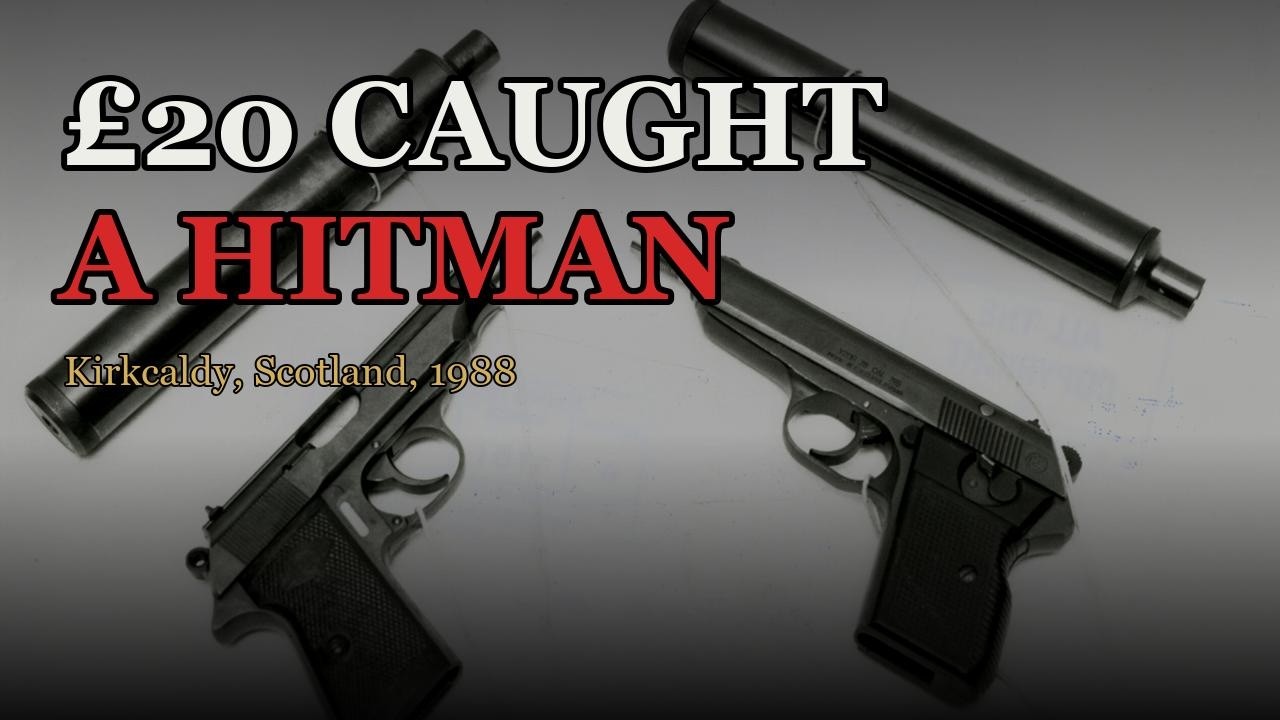 Yugoslavia Sent a Hitman to Scotland. A Neighbour's Envelope Beat HimVinko Sindichich, convicted in Scotland of the attempted murder of the exile Nikola Shtedul, is the German investigators' oldest suspicion in this case, never charged, and the witness who named two killers under oath in Munich in 2016.
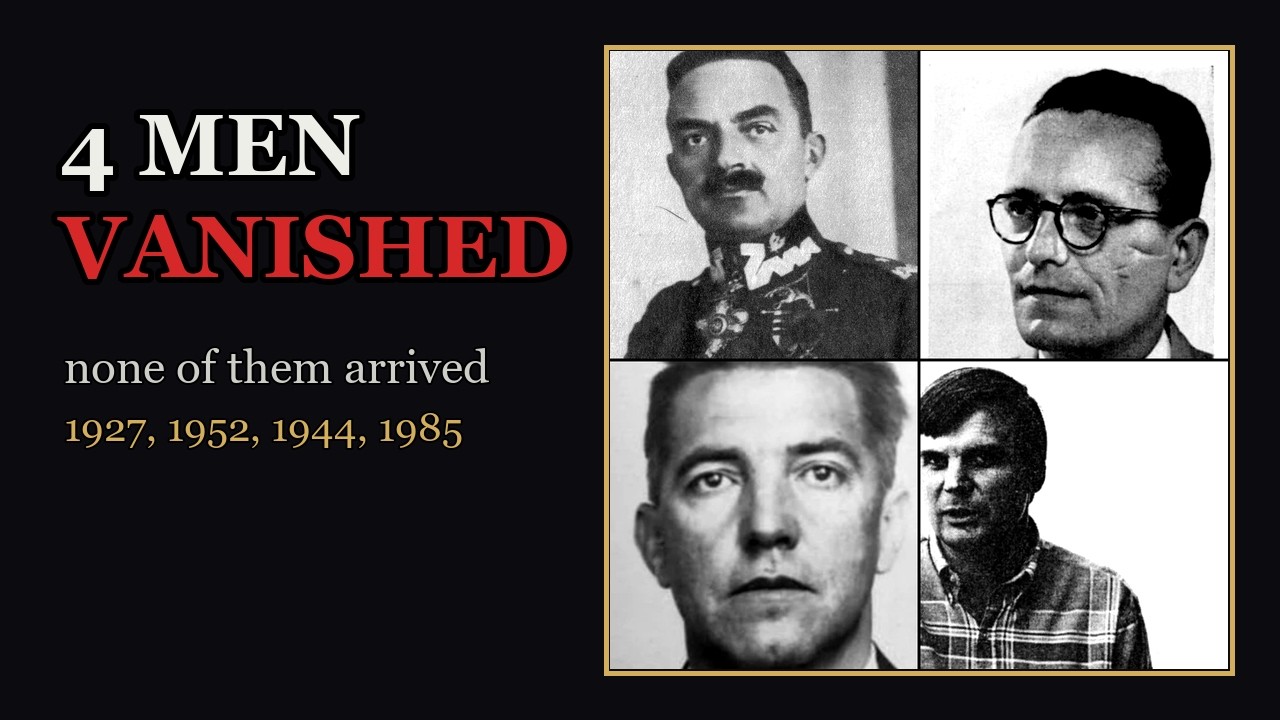 4 Men Who Never Arrived: The Strangest Disappearances of Eastern EuropeGermany
 The Real Story of the Black Widow: Vera Renczi and the 35 Zinc CoffinsSerbia
 He Was in a Cell When the Shots Were Fired: The Babice CaseShared theme: cold war